








Rotating Variety Without Overwhelming Your Bird


Small changes can often be more effective than constant novelty.
Many parrots naturally enjoy exploration and variety, but that does not always mean they are comfortable with sudden or drastic changes to their environment. Some birds investigate new objects immediately, while others prefer observing from a distance before interacting confidently days later.
Because of this, enrichment is often most effective when introduced gradually and rotated thoughtfully over time. Small changes in textures, placement, materials, and feeding experiences can help keep environments engaging without creating unnecessary stress or overstimulation.
In this guide, we will look at a simple approach to rotating enrichment through familiar foundations, gentle novelty, and small environmental changes that encourage ongoing curiosity and interaction.
Setup snapchot
| Interaction Level | Easy to Moderate |
| Setup Time | ~5 minutes |
| Best For | Birds adjusting to enrichment |
| Main Behaviour | Exploration & confidence building |
What you’ll need
- 1 familiar feeding or enrichment area
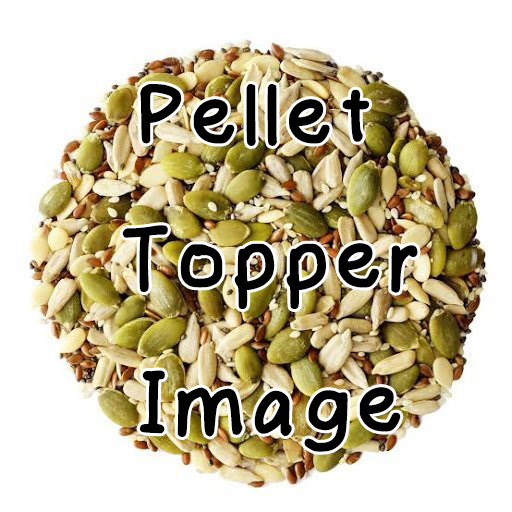
- Familiar Blend
- Explore Blend or Forage Blend
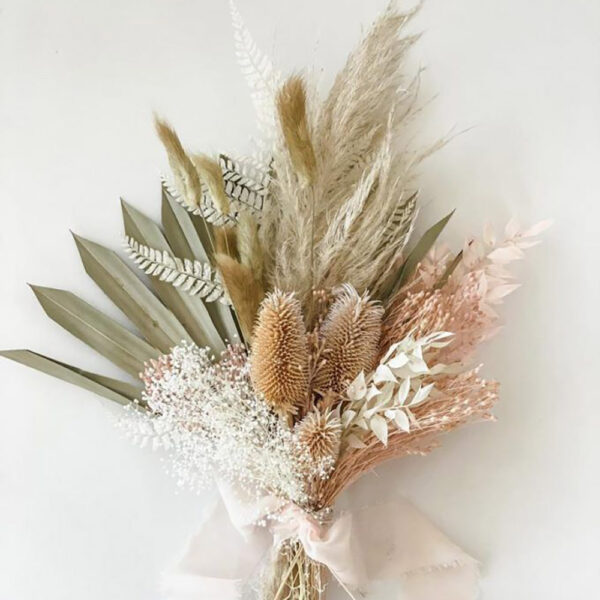
- A spray bouquet
- A small foraging box or textured setup
Optional:
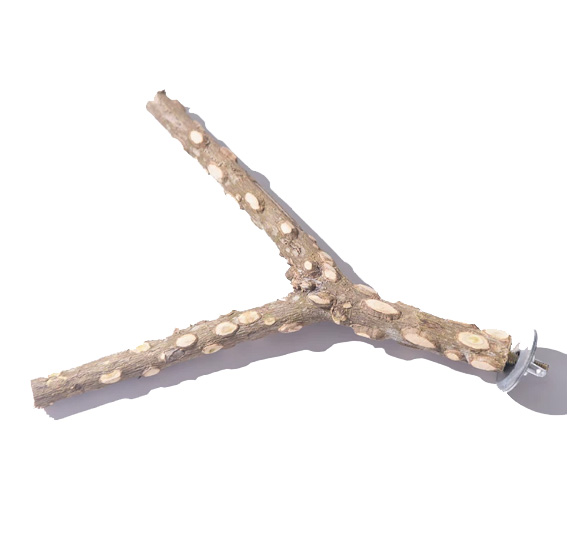
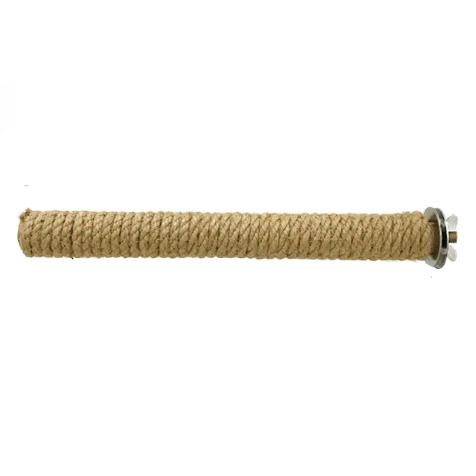
- Cork platform or natural perch
- Small shreddable materials
- Additional natural textures
Available in our store


Step 1 – Keep One Familiar Element Constant
When rotating enrichment, try to avoid changing everything at once.
Keeping one familiar element consistent helps many birds feel more confident while exploring new textures or setups. This could be:
- a favourite perch
- the same feeding corner
- a familiar blend
- a preferred texture or spray
Familiarity creates stability, while smaller changes around that familiar element encourage curiosity without making the environment feel unpredictable.


Step 2 – Rotate One Texture or Material at a Time
Instead of rebuilding the entire setup every few days, focus on rotating smaller elements gradually.
For example:
- replace one bouquet with another texture
- switch from a grass-based box to a flower-based base
- introduce a different blend
- add a few new shreddable materials
Small rotations often create renewed interest because birds naturally re-investigate areas that feel slightly different from before.
This approach also helps owners build sustainable enrichment routines without needing complicated setups every day.
Step 3 – Watch How Your Bird Interacts
Different birds engage with enrichment in very different ways.
Some may immediately search through materials for food, while others spend more time chewing textures, climbing between surfaces, or tossing objects around before showing interest in hidden rewards.
Observation helps you understand which textures, materials, and interaction styles your bird naturally gravitates toward. Over time, these patterns can help guide future rotations and enrichment choices.
There is no “correct” way for birds to interact with enrichment. Exploration itself is part of the experience.


Step 4 – Allow Familiarity to Return
Novelty is important, but constant novelty is not always the goal.
After introducing new textures or setups, allowing familiar environments to return can help birds feel more relaxed and confident. Returning to known blends, familiar perches, or previously enjoyed materials often helps maintain a healthy balance between comfort and exploration.
In many cases, enrichment works best not as constant stimulation, but as gentle ongoing variation layered into everyday routines.
Pitopi Note
Many birds become more confident explorers when new materials and textures are introduced gradually rather than all at once. Small rotations are often enough to keep environments feeling fresh and engaging.