





Building Texture Into Your Bird’s Environment


Small environmental changes can encourage movement, exploration, and more varied everyday interaction.
Many companion birds spend most of their time standing on the same surfaces, moving along the same routes, and interacting with the same textures every day. While toys and food enrichment are important, the environment itself also plays a major role in shaping how birds move, explore, climb, perch, and interact throughout the day.
Natural environments are rarely uniform. Branches vary in thickness, bark texture changes from one surface to another, and movement between different materials constantly encourages adjustment and exploration.
The good news is that creating a more varied environment does not require rebuilding the entire cage. Even small changes in textures, surfaces, and pathways can already encourage more movement and interaction in everyday routines.
Setup snapshot
| Interaction Level | Easy |
| Setup Time | ~10 minutes |
| Best For | All experience levels |
| Main Behaviour | Climbing & environmental exploration |
What you’ll need
- 1 natural wood perch
- 1 textured perch or platform
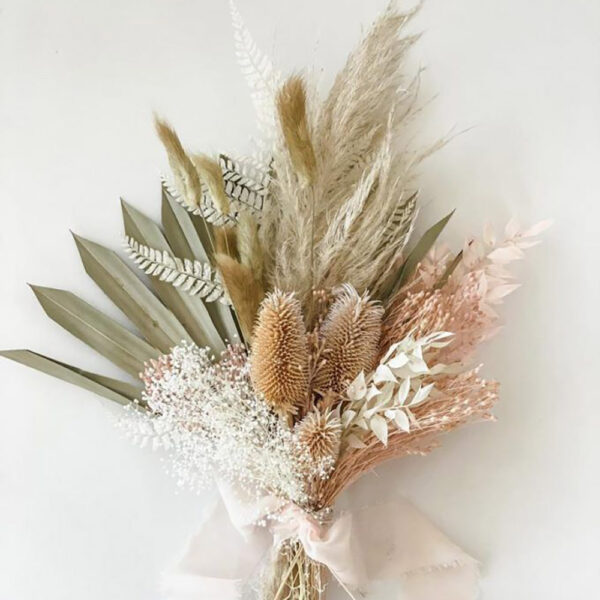
- A spray bouquet
- Existing cage or play area
Optional:
- Rope perch
- Additional climbing pathways
- Small natural textures or shreddables
Available in our store

Thick Applewood Perch
$5.90
Natural Rope Perch
$5.90
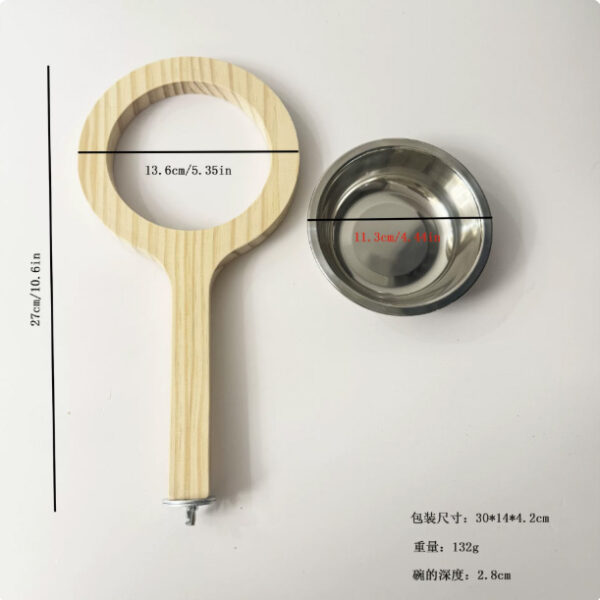
Food Bowl Perch
$7.90
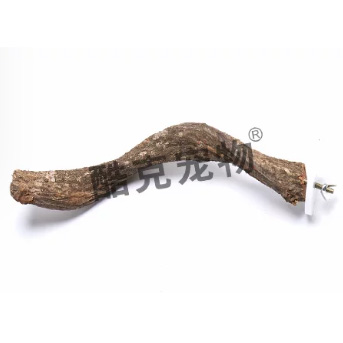
Natural Vine Perch
$5.90
Forked Pepperwood Perch
$5.90
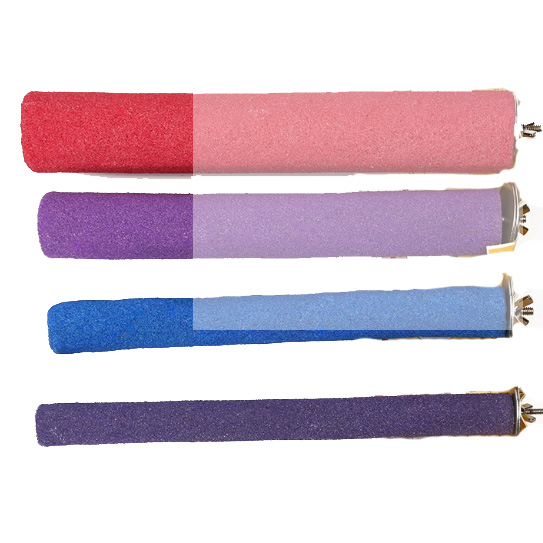
Sand Perch
$7.90
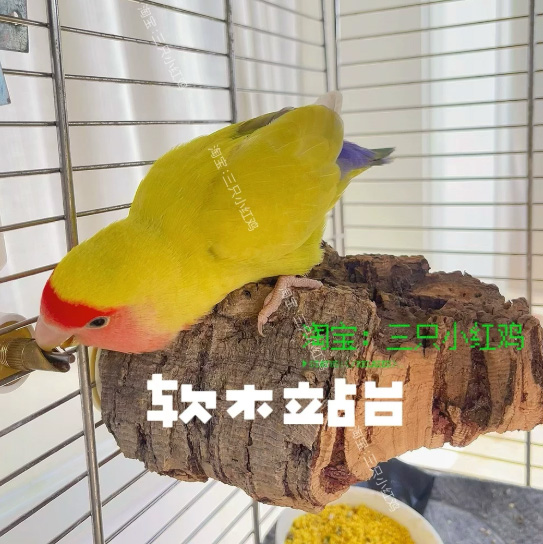
Natural Cork Platform
$7.90Step 1 – Introduce One New Texture First
When adding environmental enrichment, it is often best to start gradually rather than changing every perch and surface at once.
Introducing a single new texture allows birds to investigate and adapt at their own pace while still feeling secure within a familiar environment. This could be:
- a cork platform
- a rope perch
- a natural vine perch
- a new textured standing area
For cautious birds, placing the new texture near an already familiar perch often helps encourage confidence and exploration.


Step 2 – Combine Different Surface Types
Different textures encourage birds to use their feet, balance, and bodies in slightly different ways throughout the day.
Soft rope surfaces, uneven natural wood, textured cork bark, and forked branches all create different forms of grip and interaction. Mixing these surfaces helps create a more varied and dynamic environment compared to relying only on smooth uniform perches.
The goal is not to fill the cage with as many textures as possible, but to create gentle variation between areas.
Step 3 – Create Small Movement Pathways
Perches become much more engaging when they encourage movement between different areas rather than acting as isolated standing spots.
Try positioning perches and platforms in ways that naturally encourage:
- short climbs
- stepping between surfaces
- gentle stretching
- movement toward feeding or enrichment areas
Adding a spray bouquet nearby can also encourage birds to move toward different textures and interaction points throughout the environment.
Even simple pathways can help transform static cage layouts into more active exploration spaces.


Step 4 – Add Light Interaction Opportunities
Environmental enrichment does not always need to involve difficult puzzles or complex setups.
Small interaction points such as hanging sprays, loose natural textures, cork pieces, or lightweight shreddables can already encourage birds to chew, manipulate, investigate, and explore more actively throughout the day.
Keeping these elements lightly integrated into the environment often feels more natural and approachable than concentrating everything into a single enrichment session.
Step 5 – Observe Preferred Interaction Styles
Different birds interact with environments very differently.
Some may spend more time climbing and moving between surfaces, while others focus more heavily on chewing textures, exploring hanging materials, or resting on elevated platforms.
Observing these preferences over time can help guide future enrichment choices and create setups that feel both engaging and comfortable for your individual bird.
There is no single “correct” way for birds to use enrichment. Exploration itself is part of the process.
Pitopi Note
Environmental enrichment is not only about adding more objects to a cage. Often, small changes in texture, movement, and layout are enough to encourage more varied and natural interaction throughout the day.