





Turning Feeding Time Into Exploration Time


Small changes that encourage curiosity, movement, and more natural feeding behaviour.
Most companion parrots eat from the same bowl, in the same place, every single day. While this is convenient for us, it leaves very little room for the curiosity, movement, and exploratory feeding behaviours parrots naturally spend much of their time engaging in.
The good news is that enrichment does not need to be complicated. Small changes to how food is presented can already encourage more interaction, movement, and investigation throughout the day, even for birds that are completely new to enrichment.
In this setup, we will turn a simple feeding area into a more engaging exploration space using familiar foods, natural textures, and low-friction foraging opportunities. The goal is not to overwhelm your bird with difficult challenges, but to gently encourage curiosity and make feeding feel a little less predictable and a little more interactive.
Setup snapshot
| Interaction Level | Easy |
| Setup Time | ~5 minutes |
| Best For | Beginners |
| Main Behaviour | Exploration |
What you’ll need
- Familiar Blend
- Field Harvest Bouquet
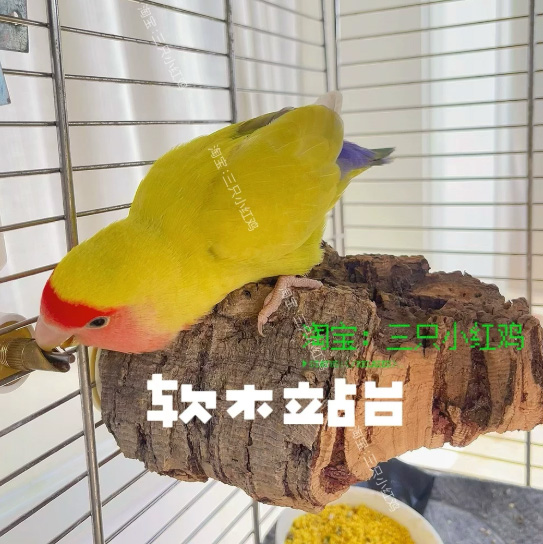
- Cork Platform
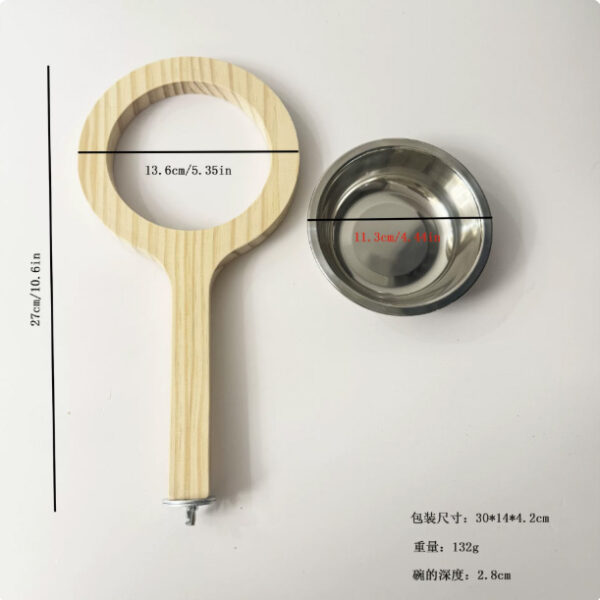
- Existing food bowl
- Small paper filler or tray
Available in our store
Add Variety to the Familiar
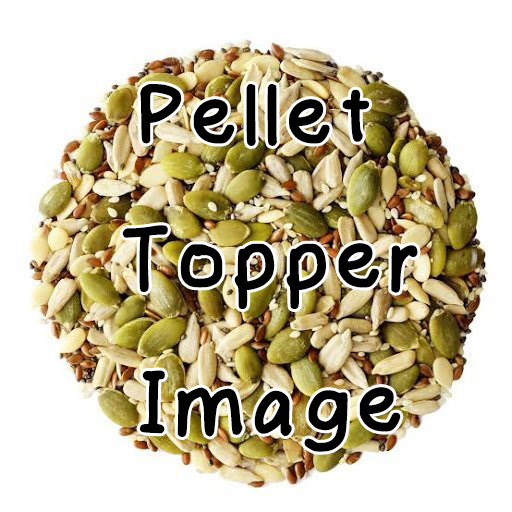
Start with your bird’s usual pellet bowl and lightly sprinkle a small amount of enrichment blend on top rather than replacing the meal entirely. The goal here is not to create a difficult foraging challenge yet, but simply to introduce more texture, scent, colour, and small moments of exploration during feeding time.
For birds that are new to enrichment, keeping the familiar pellet base visible is important. Familiar foods create confidence, while the added grains, seeds, flakes, and botanicals encourage gentle investigation around the bowl.
At this stage, simplicity matters more than complexity. Even small changes to presentation can already make feeding feel more interactive and less repetitive.


Create More Than One Feeding Spot
Instead of concentrating everything in a single food bowl, try spreading small enrichment opportunities across different areas of the cage or play space.
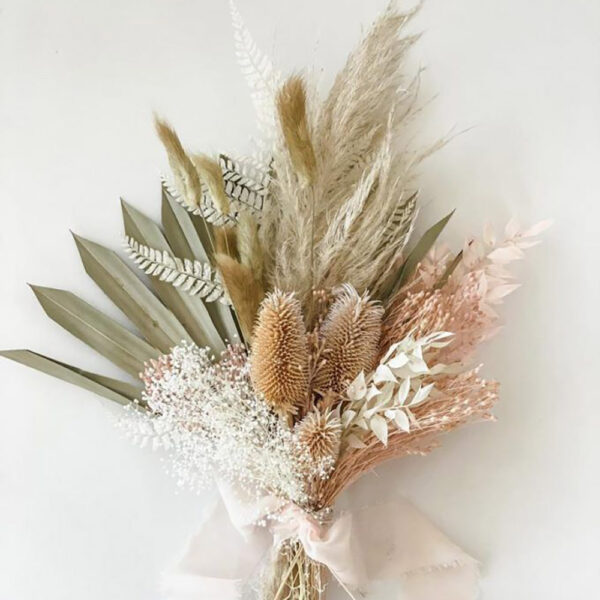
A simple way to do this is to place a small pinch of blend on a cork platform, near a favourite perch, or lightly scattered inside a shallow forage tray. You can also hang a spray bouquet nearby to encourage movement between feeding areas.
This encourages birds to climb, reposition themselves, and investigate different textures throughout the environment rather than remaining stationary in one spot. For many parrots, the process of moving between feeding opportunities becomes part of the enrichment itself.
Keep the setup open and easy to access at first. The goal is to encourage exploration and confidence, not frustration.
Introduce Simple Exploration Opportunities
Once your bird is comfortably interacting with the setup, you can begin adding small layers of exploration around familiar foods.
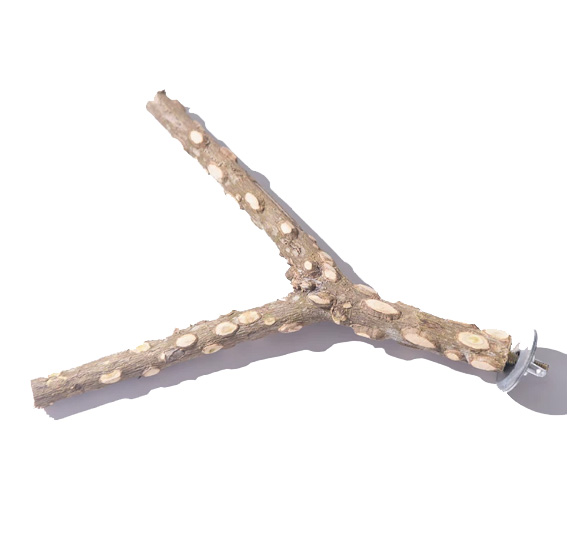
Try lightly tucking sprays between cage bars, placing a few larger ingredients beneath paper strips, or scattering a small amount of blend around textured surfaces such as cork or natural branches. Even simple changes in placement can encourage birds to slow down, investigate, and interact more actively with their environment.
At this stage, observation becomes important. Some birds immediately begin searching and manipulating objects, while others prefer approaching new setups gradually over several days. Allow your bird to explore at their own pace and avoid making the setup too difficult too quickly.
The goal is not to hide food completely, but to gently transform feeding into a more varied and engaging experience.


Rotate Small Details Regularly
Enrichment does not always require completely new products or complicated setups. Often, small changes in texture, placement, or ingredient variety are enough to keep feeding environments feeling fresh and engaging.
You can rotate between different blends, reposition perches and platforms, or introduce different sprays throughout the week to create subtle changes in the environment. Even moving a feeding spot to a different height or area of the cage can encourage renewed curiosity and exploration.
Keeping some level of familiarity while rotating smaller details helps create a balance between comfort and novelty, especially for birds that are cautious with change.
Over time, these small adjustments can help transform feeding from a repetitive routine into a more dynamic part of your bird’s everyday environment.