







Creating a Beginner-Friendly Foraging Corner


A simple way to encourage movement, curiosity, and low-stress exploration indoors.
Most companion parrots spend much of their day in the same environment, interacting with the same bowls, perches, and feeding spots over and over again. While enrichment can sometimes sound complicated or intimidating, even a small dedicated exploration area can already encourage more movement, curiosity, and natural feeding behaviour.
A foraging corner does not need to take over the entire cage. In fact, starting small is often the best approach, especially for birds that are new to enrichment. The goal is not to create difficult challenges immediately, but to introduce textures, movement, and small opportunities for exploration in a calm and approachable way.
In this setup, we will use a simple foraging corner built around natural textures, visible rewards, and layered materials to encourage low-stress interaction and gentle exploration throughout the day.
Setup snapshot
| Interaction Level | Easy |
| Setup Time | ~10 minutes |
| Best For | Beginners |
| Main Behaviour | Exploration & foraging |
What you’ll need
- 1 Pitopi Foraging Box (grass-based or flower-based)
- Familiar Blend
- A small spray bouquet
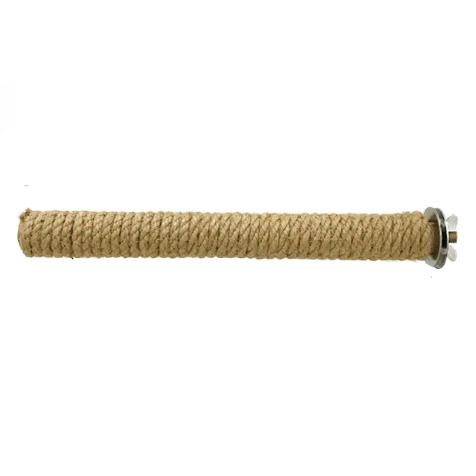
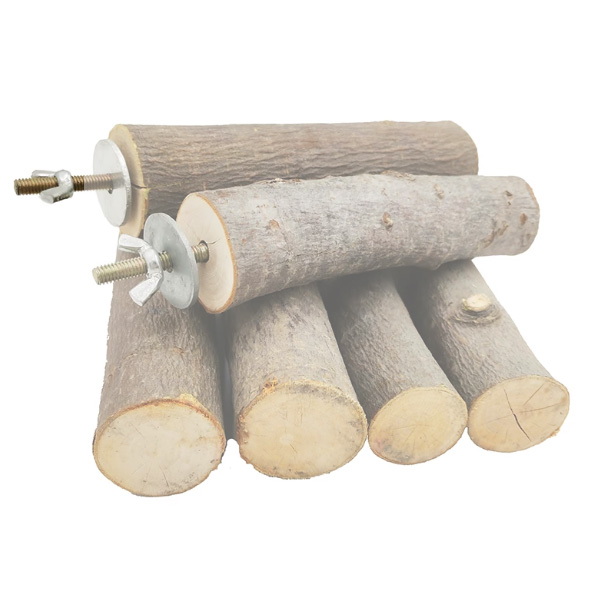
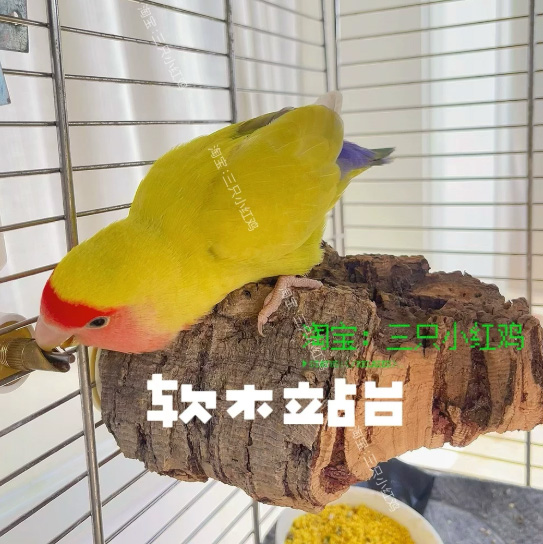
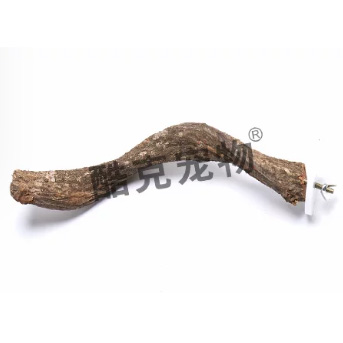
- Cork platform or textured perch
- Existing cage corner or play area
Optional:
- Small paper strips
- Extra natural textures or shredding materials
Available in our store

Familiar Blend
$7.90
Field Harvest Bouquet
$5.90Step 1 – Choose One Calm Corner
Start by selecting a single corner of the cage or play area rather than changing the entire environment at once.
Many birds feel more confident exploring new textures and objects when they are introduced gradually in a familiar area. Keeping the setup contained also helps prevent the environment from feeling cluttered or overwhelming.
Choose a space that your bird already visits regularly, ideally near a comfortable perch or resting area.


Step 2 – Build a Natural Texture Base
Place your foraging box inside the selected area and spread the base materials evenly to create a soft layer of textures and hiding spaces.
The grass-based version creates a more earthy and shreddable environment, while the flower-based version adds additional visual variety and softer botanical textures. Both are designed to encourage gentle exploration without making food difficult to access.
At this stage, avoid hiding everything completely. The setup should still feel approachable and easy to investigate.
Step 3 – Add The Foraging Elements
Once your base layer is in place, scatter the contents of your foraging mix across the surface of the box.
Different materials such as twigs, sola sticks, sola balls, pine cones, mini logs, cork pieces, and natural textures help create a more interactive environment that encourages birds to search, manipulate, chew, toss, and shred as they move through the setup.
These elements are not only there to hide food. They also introduce movement, texture, and opportunities for natural destructive behaviours that many parrots actively seek out during exploration.
At this stage, the setup should still feel open and approachable rather than densely packed. The goal is to encourage curiosity and interaction without overwhelming birds that are still new to foraging.


Step 4 – Sprinkle Rewards Throughout the Setup
Lightly scatter a small amount of Familiar Blend or a few favourite treats throughout the foraging box, leaving some rewards fully visible while partially tucking others beneath the surface.
Visible rewards help birds understand that the setup contains something worth investigating, especially during early introductions to foraging. As birds move through the textures and materials, they naturally begin interacting with different elements inside the box through searching, chewing, tossing, and shredding behaviours.
This combination of food exploration and environmental interaction is what turns the setup from a simple feeding station into a more engaging enrichment experience.
Pitopi Note
Some birds interact with enrichment immediately, while others prefer observing new setups for several days before engaging confidently. Slow introductions and visible rewards often help create positive early experiences.
Step 5 – Rotate Small Details Over Time
Once your bird becomes comfortable with the setup, you can gradually rotate small elements to keep the space feeling fresh and engaging.
This does not require rebuilding the entire corner every time. Small changes such as introducing a different blend, adding new textures, adding and regularly repositioning bouquets, or adjusting the placement of rewards are often enough to encourage renewed curiosity.
The goal is to create a balance between familiarity and gentle novelty while keeping the environment approachable and enjoyable to explore.