






Encouraging Exploration in Hesitant Birds


Confidence often grows through small familiar experiences rather than sudden change.
Some parrots immediately investigate anything new placed in their environment. Others prefer watching carefully from a distance before interacting days later. Both responses are completely normal.
Exploration is deeply individual, and hesitation does not necessarily mean a bird dislikes enrichment. In many cases, cautious birds simply need more time, more familiarity, and lower-pressure opportunities to interact confidently with new textures, foods, or environments.
The goal of enrichment is not to force interaction, but to gently encourage curiosity and create positive experiences over time. Small familiar setups, visible rewards, and gradual introductions are often far more effective than highly complex challenges introduced too quickly.
In this guide, we will look at a few simple ways to encourage exploration while keeping enrichment approachable and low-stress for hesitant birds.
Setup snapshot
| Interaction Level | Easy |
| Setup Time | ~5 minutes |
| Best For | Cautious or enrichment-beginner birds |
| Main Behaviour | Confidence building & gentle exploration |
Available in our store

Familiar Blend
$7.90
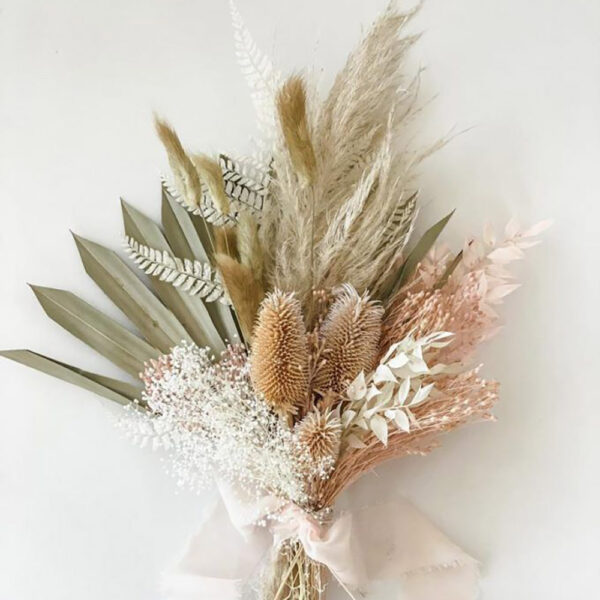
Field Harvest Bouquet
$5.90
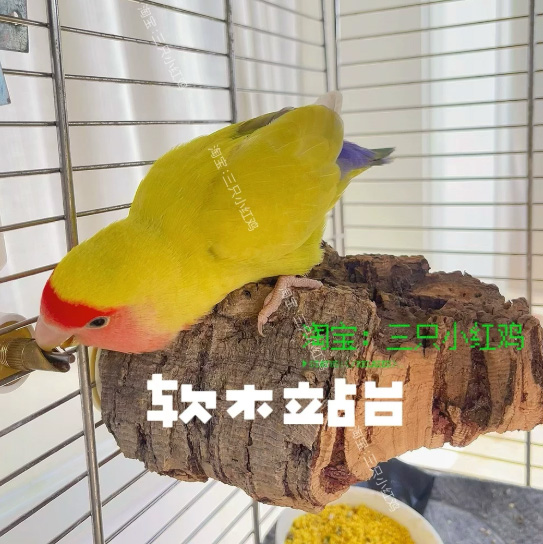
Natural Cork Platform
$7.90
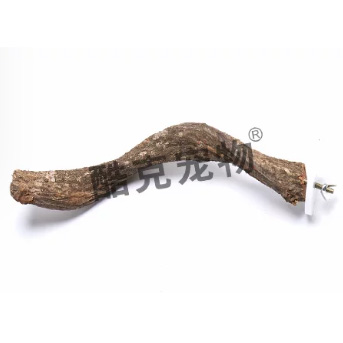
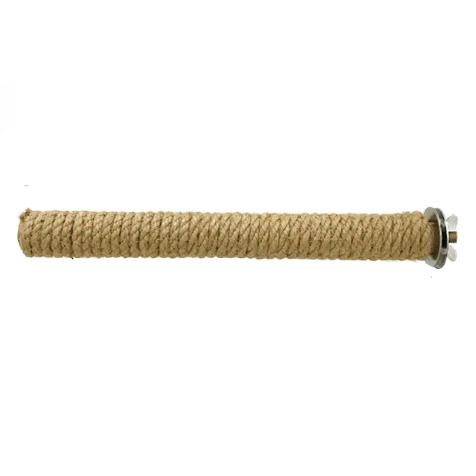
Natural Vine Perch
$5.90
Sensory Foraging Bouquet
$5.90Gentle Idea 1 – Keep Familiar Foods Visible
When introducing enrichment for the first time, keeping familiar foods clearly visible often helps birds feel more confident approaching the setup.
Sprinkling a small amount of Familiar Blend over pellets, placing visible sprays nearby, or scattering a few favourite treats across open surfaces allows birds to understand quickly that the environment contains something safe and rewarding.
Completely hiding food immediately can sometimes create frustration or reduce confidence in birds that are still learning to explore new setups.


Gentle Idea 2 – Introduce One New Element at a Time
Instead of changing the entire cage environment at once, try introducing a single new texture, object, or interaction point gradually.
This could be:
- one spray bouquet
- a cork platform
- a small foraging box
- a new perch texture
- a few natural shreddable materials
Allowing birds to investigate one unfamiliar element at a time often feels far less overwhelming than introducing multiple large changes simultaneously.
Gentle Idea 3 – Place New Items Near Familiar Areas
Positioning enrichment near already familiar resting spots or favourite perches can help hesitant birds feel safer interacting with new setups.
Birds are often more willing to investigate nearby objects when they can remain close to areas they already trust. A spray bouquet hanging beside a favourite perch or a small foraging setup placed near a familiar feeding area may feel much more approachable than moving everything into a completely unfamiliar part of the cage.
Small adjustments in placement can sometimes make a significant difference in confidence levels.


Gentle Idea 4 – Allow Observation Before Interaction
Not every bird will immediately touch or manipulate new enrichment items, and that is perfectly normal.
Some birds prefer spending time quietly observing changes in their environment before approaching more closely. Watching a setup from a distance, leaning toward a new texture, or climbing near an unfamiliar object are all early forms of interaction.
Giving birds time to process and investigate at their own pace often creates more positive long-term engagement than trying to encourage immediate interaction.
Gentle Idea 5 – Celebrate Small Signs of Curiosity
Exploration does not always begin with dramatic foraging behaviour or immediate interaction.
Small moments such as:
- approaching a new texture
- nibbling briefly at a spray
- stepping onto a different surface
- tossing a single object
- investigating a foraging box for a few seconds
are often meaningful early steps in building confidence.
Allowing these interactions to develop gradually helps enrichment remain positive and approachable over time.
Gentle Idea 6 – Keep Setups Calm and Uncluttered
For hesitant birds, simpler setups are often more effective than highly crowded enrichment environments.
Leaving open space around interaction points makes it easier for birds to approach, retreat, observe, and investigate comfortably. A few thoughtfully placed textures or rewards often create better engagement than filling the entire cage with unfamiliar objects at once.
Low-pressure environments tend to encourage more natural curiosity over time.
Pitopi Note
Exploration does not always happen immediately. For many birds, quietly observing a new setup is already part of the enrichment process.